How to Choose the Right Dental Loupe Magnification
Choosing the right dental loupe magnification is essential for clinical accuracy, comfort, and long-term ergonomics. This guide explains the differences between 2.5x, 3.5x, and 4.5x magnification levels, helping dentists select the most suitable loupe system for their specialty and workflow.
INTRODUCTION
One of the most common questions dentists ask when purchasing their first loupe system is:
“What magnification should I choose?”
While many clinicians focus on frame design, optics, or pricing, magnification level has the greatest impact on daily clinical performance.
Choosing a magnification that is too low may limit visualization, while selecting one that is too high can reduce field of view and make adaptation more difficult.
This guide explains how dental loupe magnification works and helps clinicians determine which option best suits their clinical needs.
What Does Dental Loupe Magnification Mean?
Dental loupe magnification refers to how much larger the treatment area appears when viewed through the optical system. For example:
2.5x Magnification: Objects appear approximately 2.5 times larger than normal vision.
3.5x Magnification: Objects appear approximately 3.5 times larger.
4.5x Magnification: Objects appear approximately 4.5 times larger.
As magnification increases, clinicians can observe finer details. However, higher magnification also affects field of view, depth of field, and ease of use.
Factors That Affect Magnification Selection
Before choosing a dental loupe system, it is important to understand several key factors.
Field of View
Field of view refers to the visible treatment area. Lower magnification generally provides a wider field of view, making it easier to observe surrounding structures. Higher magnification narrows the visible area but reveals greater detail.
Depth of Field
Depth of field refers to the range within which objects remain in focus. Lower magnification typically provides a larger depth of field. Higher magnification often requires more precise positioning.
Working Distance
Working distance is the distance between the clinician’s eyes and the treatment area. Proper working distance is essential for maintaining ergonomic posture and maximizing loupe performance.
2.5x Dental Loupe Magnification
Who Is It For?
• General dentists
• Dental students
• First-time loupe users
• Hygiene professionals
Advantages
• Easy adaptation
• Wide field of view
• Large depth of field
• Comfortable for daily use
Limitations
• Less detail compared with higher magnification systems
For many clinicians, 2.5x remains the most popular entry-level option.
3.5x Dental Loupe Magnification
Who Is It For?
• General dentists
• Restorative dentists
• Prosthodontists
• Endodontic clinicians
Advantages
• Excellent balance between detail and usability
• Improved visualization
• Suitable for a wide range of procedures
Limitations
• Slightly narrower field of view than 2.5x systems
Among experienced users, 3.5x is often considered the ideal balance between magnification and comfort.
4.5x Dental Loupe Magnification
Who Is It For?
• Endodontists
• Microsurgical procedures
• Advanced restorative work
Advantages
• High level of detail
• Enhanced visualization of fine structures
• Improved visibility during complex procedures
Limitations
• Smaller field of view
• More demanding adaptation period
• Greater sensitivity to head movement
For clinicians performing highly detailed procedures, 4.5x magnification can provide significant advantages.
2.5x vs 3.5x vs 4.5x Dental Loupes
2.5x: Best for beginners and general clinical use.
3.5x: Best balance of magnification, comfort, and versatility.
4.5x: Best for specialists requiring maximum detail.
For most clinicians purchasing their first loupe system, 2.5x or 3.5x magnification is typically recommended.
TTL vs Flip-Up Dental Loupes
Magnification is only one part of the selection process. Dental loupe systems are generally available as:
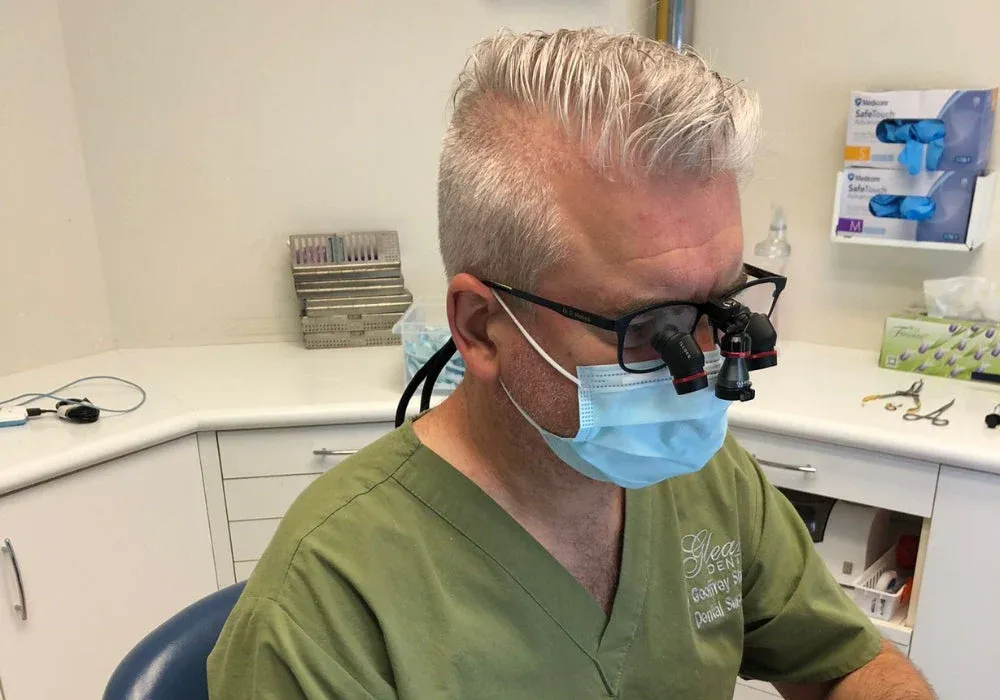
TTL Dental Loupes: Lightweight and ergonomically optimized.
Flip-Up Dental Loupes: Flexible and adjustable for multiple users.
The choice between TTL and Flip-Up designs depends on personal preferences and clinical requirements.
Should You Use a Dental Headlight?
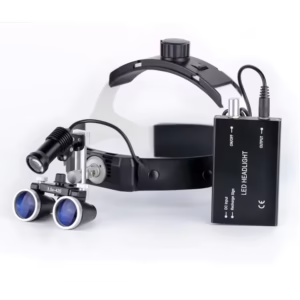
Many clinicians combine magnification with LED headlights.
Benefits include:
• Improved illumination
• Reduced shadows
• Better visibility in posterior regions
• Increased treatment precision
Magnification and illumination often work best together.
Frequently Asked Questions
What magnification is best for general dentistry?
Most general practitioners choose between 2.5x and 3.5x magnification.
Is 4.5x magnification too much for beginners?
For many first-time users, adaptation may be challenging. Lower magnification is usually recommended initially.
Does higher magnification always mean better performance?
Not necessarily. The ideal magnification depends on the procedure, specialty, and user preference.
Can I use the same loupe system for all procedures?
Many clinicians use a single loupe system for most treatments, while specialists may prefer multiple magnification options.
Should I choose TTL or Flip-Up loupes?
Both options have advantages. The best choice depends on comfort, adjustability, and workflow requirements.
CONCLUSION
Selecting the right dental loupe magnification is one of the most important decisions when investing in a magnification system.
While 2.5x magnification remains an excellent choice for beginners, many clinicians prefer 3.5x for its balance of detail and usability. Higher magnification options such as 4.5x are often favored by specialists performing highly detailed procedures.
Understanding field of view, depth of field, working distance, and clinical requirements will help ensure the most suitable magnification choice.