Dental Product Insights & Knowledge
Professional insights about endodontic systems, dental handpieces, clinical equipment, and OEM dental solutions.
AMEXORS Insights

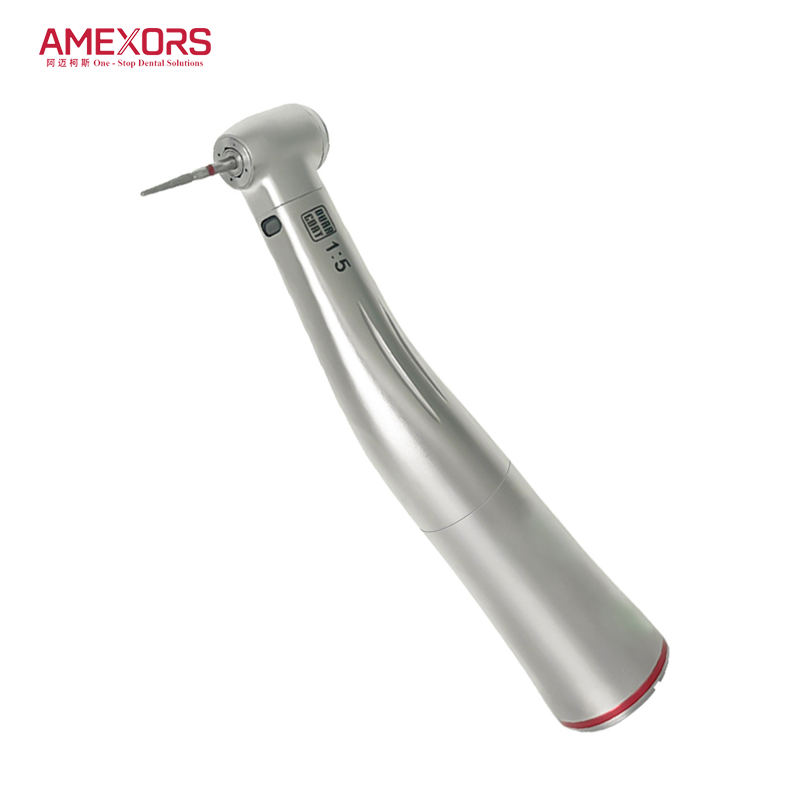
Choosing a 1:5 red ring dental handpiece involves more than checking its maximum speed. Learn how to compare electric and air-turbine handpieces, verify motor and E-Type connection compatibility, evaluate fiber optic and water spray configurations, and select the right specifications for your clinic or distribution business.
-
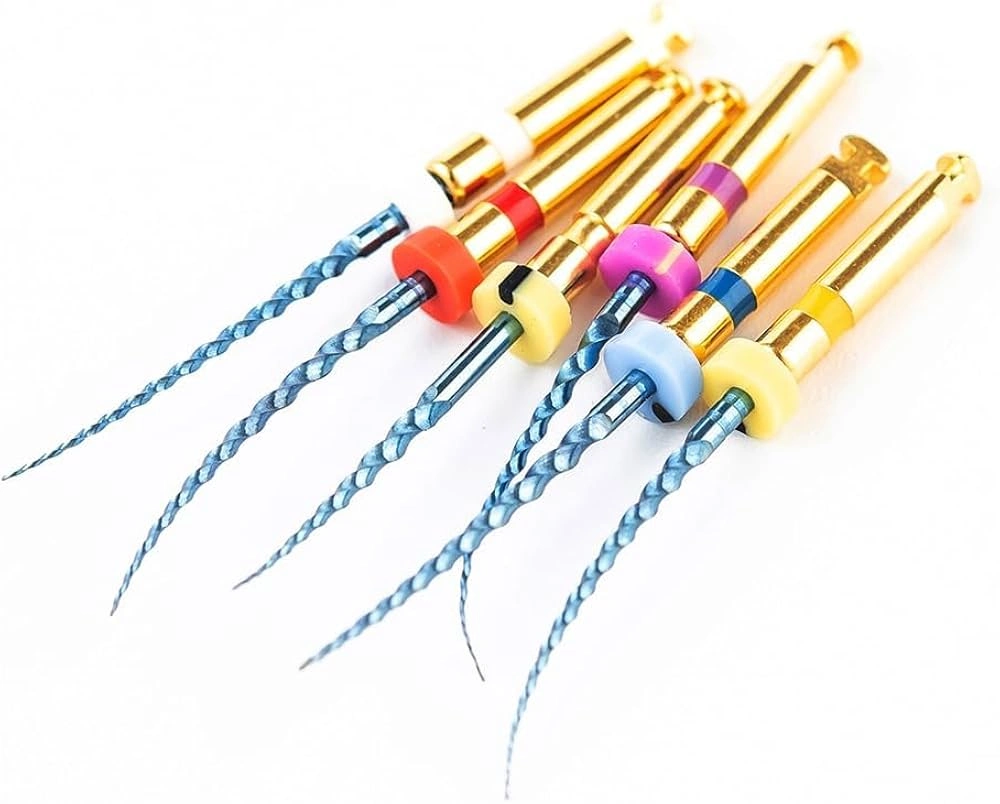
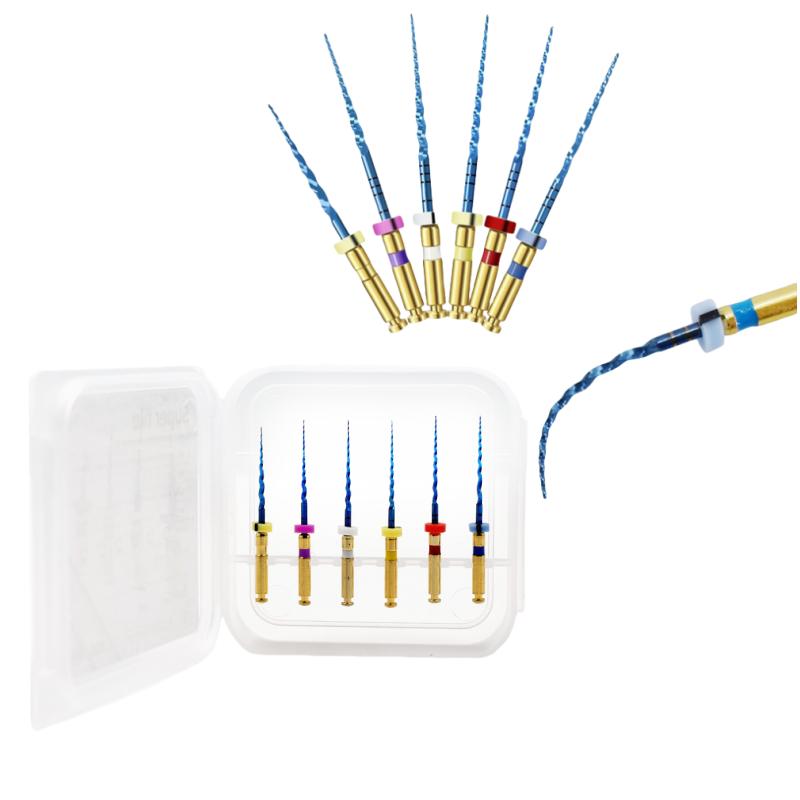
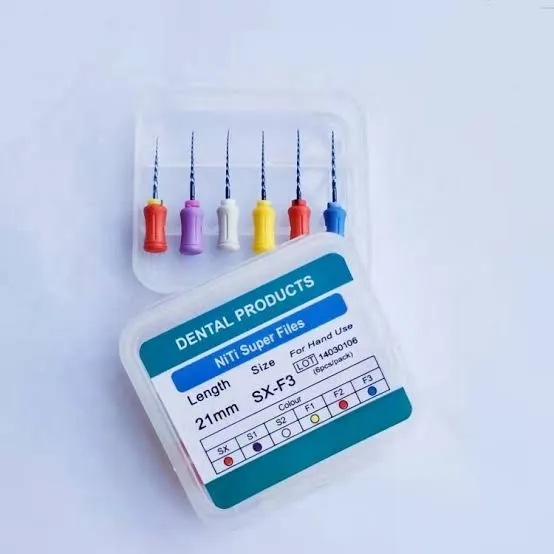
CM, Blue, and Gold NiTi files are not interchangeable performance grades. This guide explains what the labels generally mean, how to compare specific products, and what distributors and OEM buyers should request before making a sourcing decision.
-
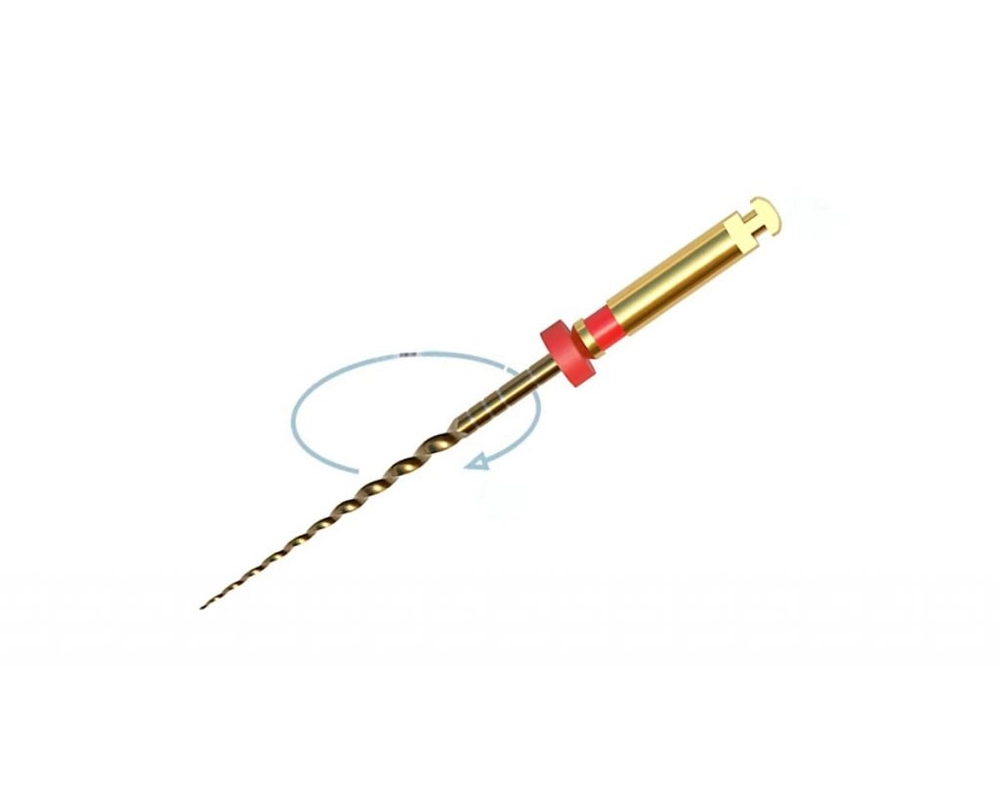
Compare rotary and reciprocating endodontic files, including their motion, fatigue resistance, instrumentation workflow, and motor compatibility. Learn which factors matter when evaluating NiTi file systems for root canal preparation.
-
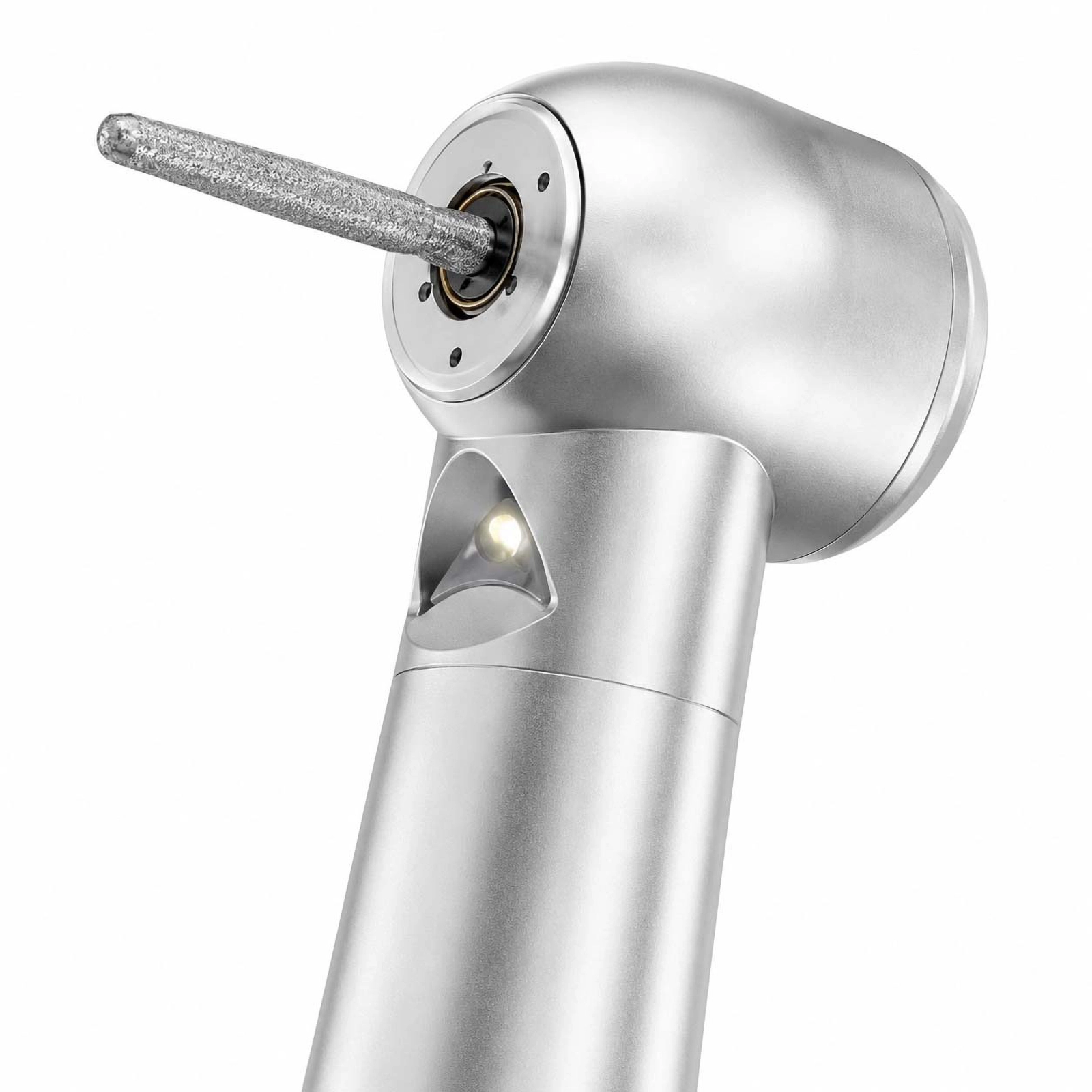
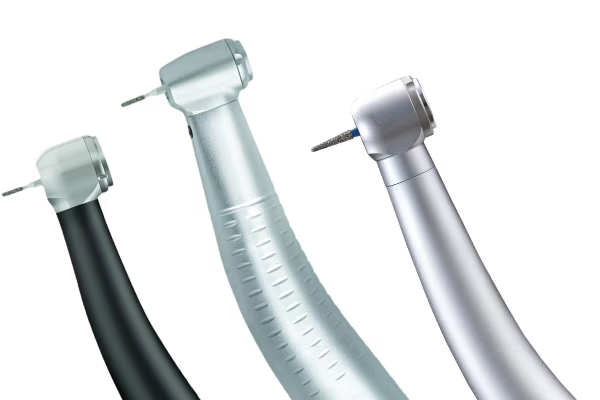
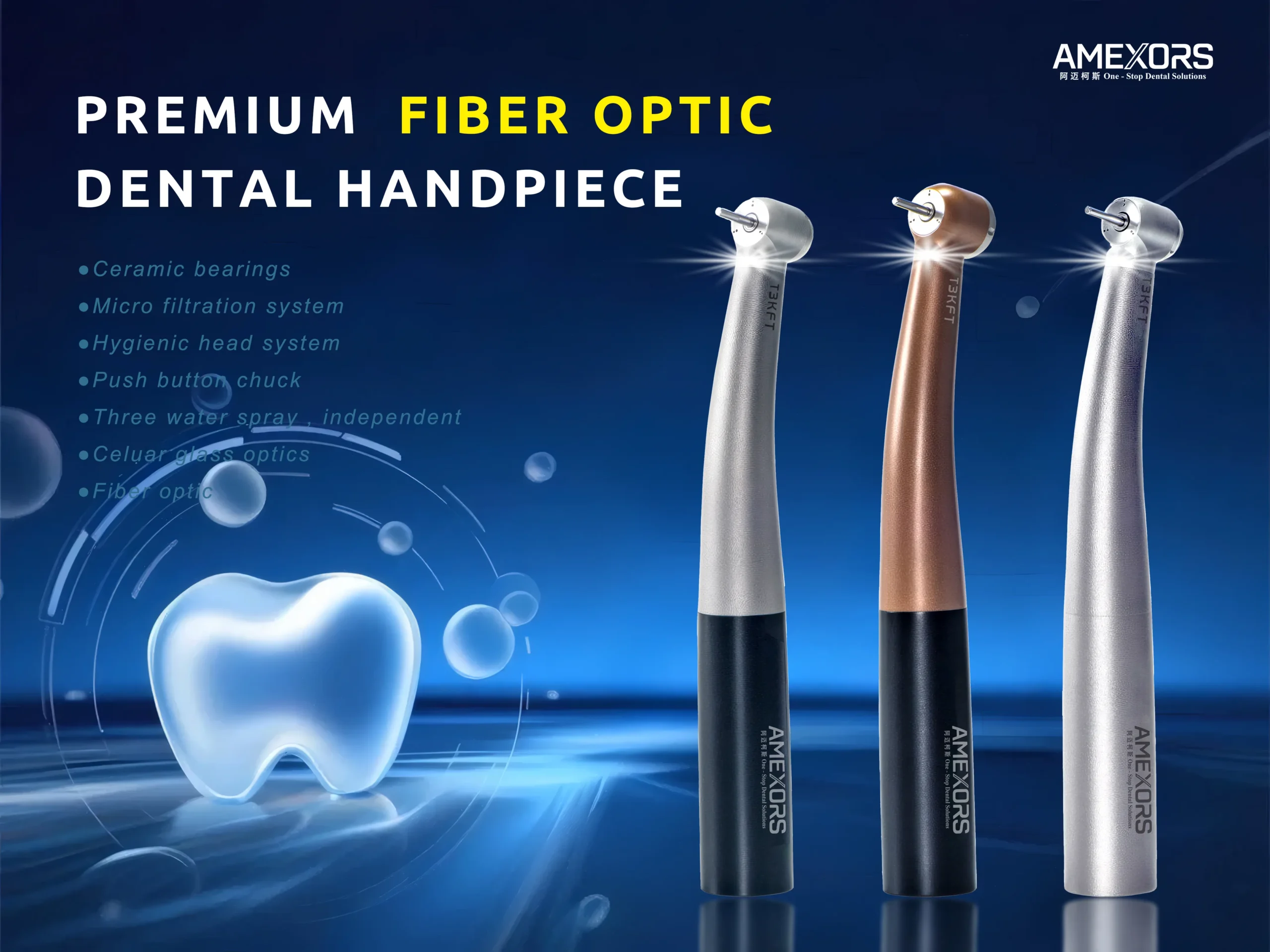
A practical guide to high-speed dental handpiece configurations, covering RPM, torque heads, head size, water spray, LED and fiber optic illumination, connections, chuck types, and clinical applications.
-
Dental handpiece body materials affect weight, balance, durability and ergonomics. Compare stainless steel, titanium, aluminum and copper alloys and learn what dentists and distributors should evaluate before choosing a handpiece.
-
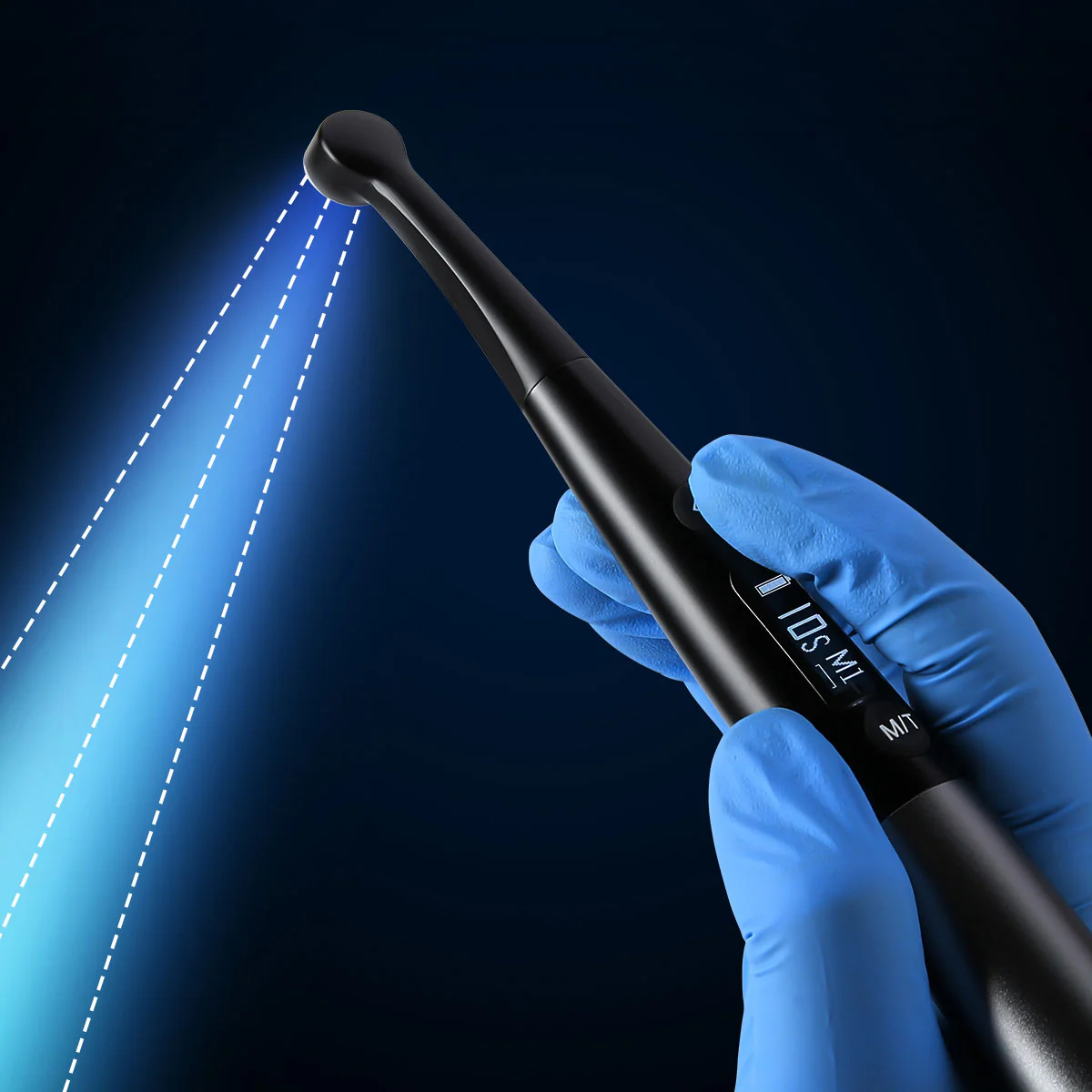
Understand how dental curing lights work and how to evaluate wavelength, irradiance, radiant exposure, beam profile, and other specifications when choosing a curing light for clinical or procurement needs.
-
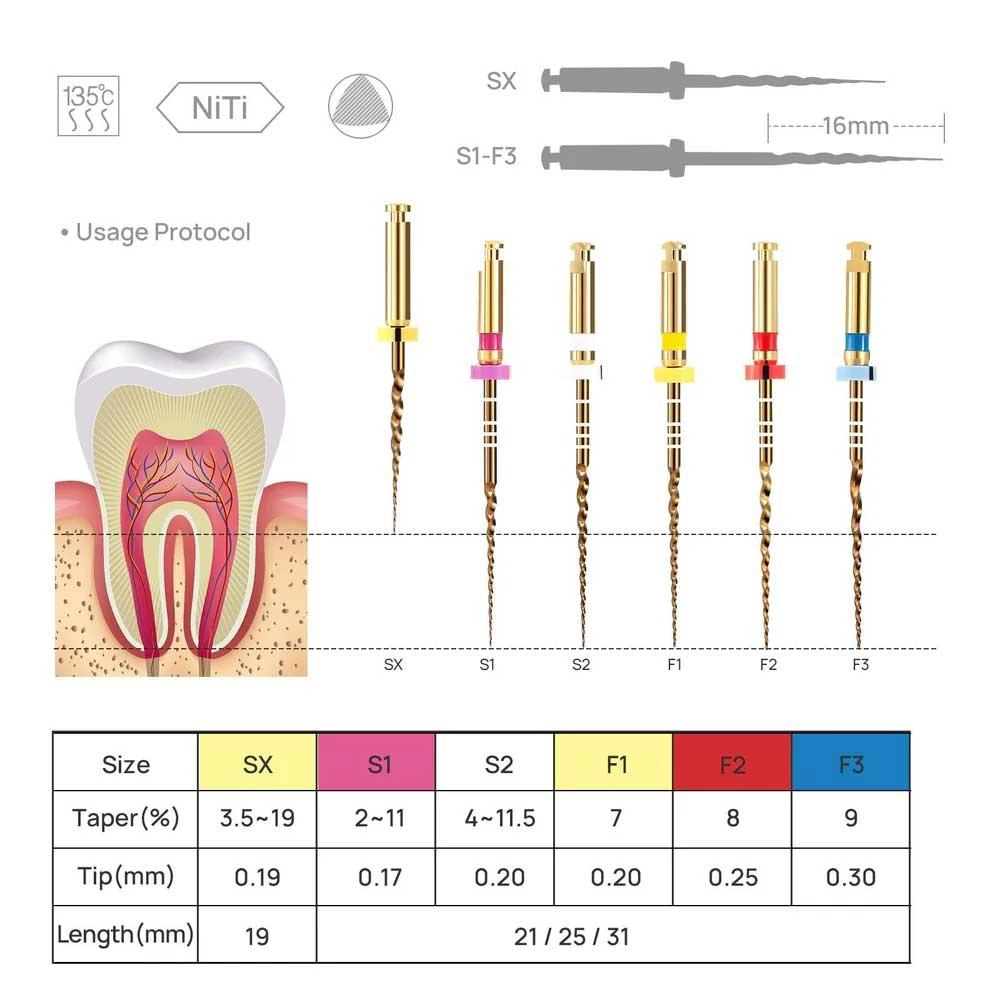
Learn how to choose a NiTi rotary file system by comparing tip size, taper, file sequence, cross-sectional design, heat treatment, motion, and manufacturing quality. A practical guide for dentists, dental distributors, importers, and OEM brands.
-
Learn what NiTi rotary files are, why nickel-titanium is used in endodontics, and how file design, taper, cross-section, heat treatment, and kinematics affect performance. This guide helps dental professionals, distributors, and private-label brands understand modern NiTi rotary file systems.
-
Learn the key differences between high-speed and low-speed dental handpieces, including RPM, torque, cooling, bur compatibility, clinical applications, maintenance, and buying considerations for dental clinics and distributors.
-
A practical guide for dental distributors and OEM brands to compare NiTi rotary file suppliers, evaluate samples, verify quality, and select a reliable long-term supply partner.
-
Private Label Endodontic Solutions: OEM Sourcing & QC Guide for Dental Brands Introduction: Building Your Endodontic Brand Requires a Manufacturing Partner, Not Just a Vendor For private label dental brands [...]
-
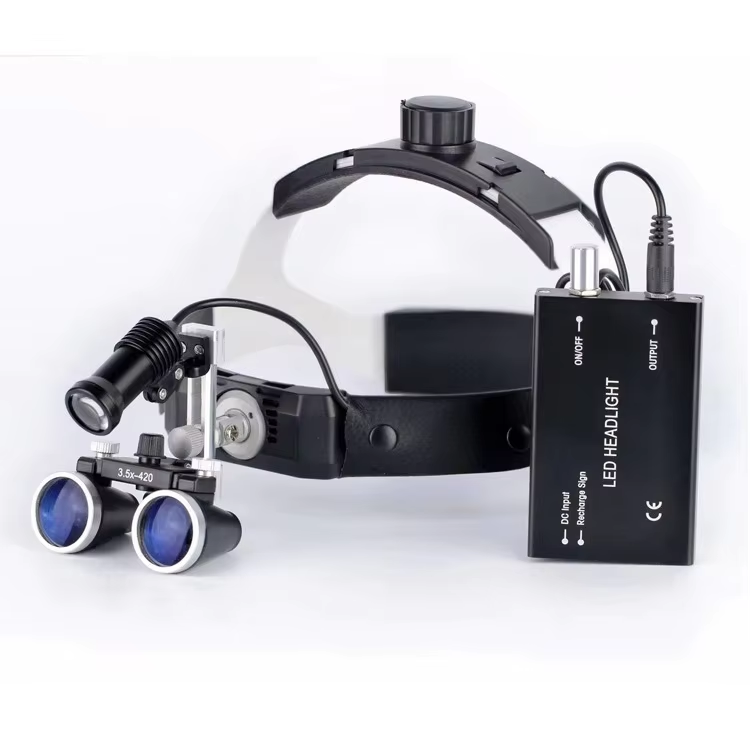
Learn how dental brands and distributors choose reliable dental loupe suppliers for OEM projects, including product selection, customization, MOQ flexibility, and long-term cooperation.
-
Learn how dental distributors choose reliable NiTi rotary files suppliers by evaluating product quality, flexible MOQ, OEM capability, and long-term cooperation.
-
Learn how to choose a reliable dental handpiece manufacturer in China. This guide covers quality evaluation, OEM capabilities, spare parts support, and key factors for distributors and dental brands.
-
Not all dental handpieces with similar specifications deliver the same long-term performance. This guide explains how professional buyers evaluate engineering quality, manufacturing consistency, and supplier capability to make better purchasing decisions.
-
Selecting the right dental handpiece requires more than comparing specifications. This guide explains how clinics, distributors, and OEM buyers evaluate performance, reliability, compatibility, and long-term value before making a purchasing decision.
-
Discover the key differences between high-speed and low-speed dental handpieces, including speed, applications, advantages, and how to choose the right handpiece for your clinic or dental business.
-
TTL and Flip-Up dental loupes are the two most common magnification systems used in modern dentistry. While both improve visibility and clinical precision, they differ in ergonomics, adjustability, weight, and overall user experience. This guide compares both options to help clinicians choose the most suitable solution.
-
Choosing the right dental loupe magnification is essential for clinical accuracy, comfort, and long-term ergonomics. This guide explains the differences between 2.5x, 3.5x, and 4.5x magnification levels, helping dentists select the most suitable loupe system for their specialty and workflow.
-
Dental loupes have become an essential tool in modern dentistry. By improving visibility, clinical precision, and ergonomics, magnification systems help dentists deliver better treatment outcomes while reducing physical strain. This guide explores the benefits of dental loupes, their applications across different specialties, and how to choose the right magnification solution.