What Is a NiTi Rotary File?
Nickel-titanium (NiTi) rotary files are essential instruments in modern endodontic treatment, designed to improve flexibility, efficiency, and safety during root canal shaping. This article explains their structure, clinical advantages, and why they are widely used in dental practice.

Introduction
Nickel-titanium (NiTi) rotary files have become one of the most important instruments in modern endodontic treatment. Compared with traditional stainless steel hand files, NiTi rotary systems provide improved flexibility, efficiency, and shaping performance during root canal preparation.
Today, NiTi rotary files are widely used in dental clinics and endodontic practices around the world due to their ability to simplify instrumentation while reducing procedural stress during treatment.
What Is a NiTi Rotary File?
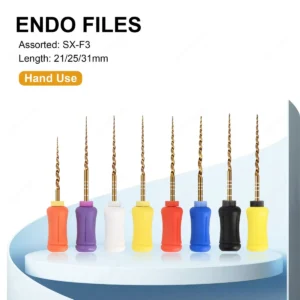
A NiTi rotary file is a mechanically driven endodontic instrument used for cleaning and shaping root canals.
The term “NiTi” refers to the nickel-titanium alloy used in the instrument. This material provides significantly greater flexibility compared with stainless steel instruments, especially in curved root canals.
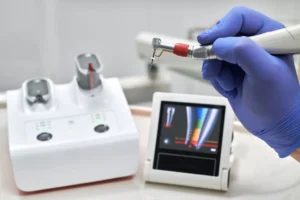
Rotary files are commonly used together with endodontic motors that provide controlled rotational movement during treatment.
Why Is Flexibility Important?
One of the main advantages of NiTi material is flexibility.
In root canal treatment, many canals have natural curvature. Instruments with limited flexibility may increase stress during instrumentation and make canal preparation more difficult.
NiTi rotary systems are designed to better adapt to curved canals, allowing smoother canal shaping and more controlled preparation.
This flexibility has made NiTi systems a standard choice in modern endodontics.
Fatigue Resistance and Clinical Performance
Another important characteristic of NiTi rotary files is cyclic fatigue resistance.
During continuous rotation inside curved canals, instruments experience repeated stress. Modern heat-treated NiTi systems are developed to improve fatigue resistance and overall clinical performance.
Different systems may use different heat treatment technologies, including gold-treated and blue-treated surface processing, to improve flexibility and resistance characteristics.
Common Applications of Rotary Files
NiTi rotary systems are commonly used for:
- Root canal shaping
- Canal preparation
- Glide path enlargement
- Curved canal instrumentation
- General endodontic procedures
They are widely adopted in both general dental clinics and specialized endodontic practices.
Choosing the Right Rotary File System
When selecting a rotary file system, clinicians and distributors often consider factors such as:
- Flexibility
- Cutting efficiency
- Heat treatment technology
- File taper and size
- Compatibility with endodontic motors
- Clinical preference
Different systems may be designed for different treatment styles and operator preferences.
Conclusion
NiTi rotary files have significantly changed modern endodontic treatment by improving flexibility, efficiency, and canal shaping performance.
As endodontic technology continues to develop, rotary systems remain an essential part of professional root canal instrumentation worldwide.