Why Dental Loupes Are Becoming Essential in Modern Dentistry
Dental loupes have become an essential tool in modern dentistry. By improving visibility, clinical precision, and ergonomics, magnification systems help dentists deliver better treatment outcomes while reducing physical strain. This guide explores the benefits of dental loupes, their applications across different specialties, and how to choose the right magnification solution.
NTRODUCTION
Modern dentistry requires greater precision than ever before.
Whether performing restorative procedures, root canal treatment, prosthodontic work, or routine examinations, clinicians are expected to deliver highly accurate results while maintaining efficiency and comfort throughout the workday.
As a result, dental loupes have evolved from a specialized tool into an essential component of modern clinical practice.
Today, dental magnification systems are widely used across general dentistry, endodontics, periodontics, prosthodontics, and oral surgery.
This article explores why dental loupes are becoming increasingly important, the benefits they provide, and how they contribute to better clinical outcomes.
What Are Dental Loupes?
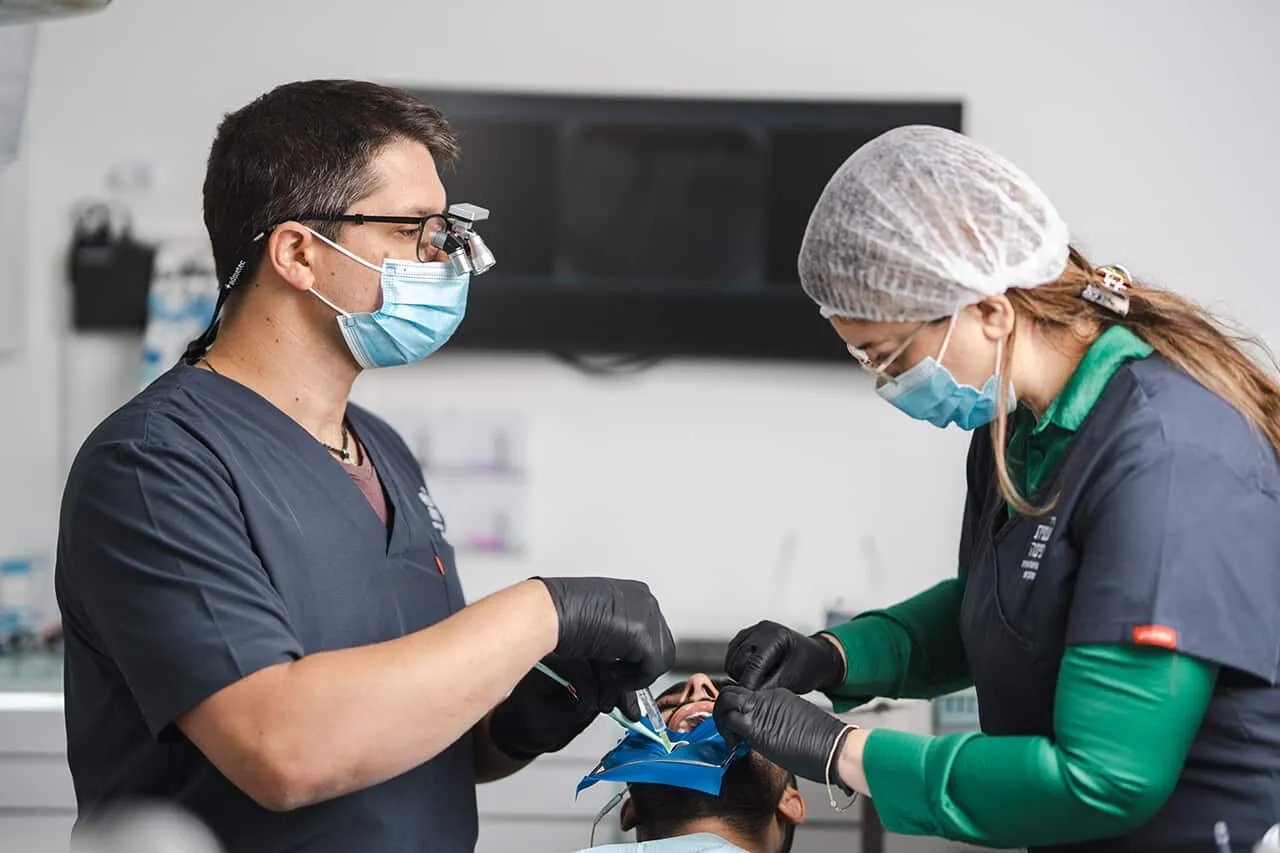
Dental loupes are wearable magnification devices designed to enlarge the treatment area while allowing clinicians to maintain a more ergonomic working posture.
Most dental loupe systems offer magnification levels ranging from 2.5x to 5.0x and are typically available in two configurations:
TTL (Through-The-Lens) Dental Loupes
Integrated optics permanently mounted within the lenses for improved stability and reduced weight.
Adjustable optics mounted on the frame, offering greater flexibility and customization.
Both systems are widely used in modern dental practice and can be combined with LED headlights to further enhance visibility.
Benefits of Dental Loupes
Improved Clinical Accuracy
Magnification allows clinicians to identify details that may be difficult to detect with the naked eye.
Benefits include:
• Better margin evaluation
• Improved caries detection
• Enhanced visualization of canal anatomy
• More accurate restorative procedures
• Improved treatment precision
As treatment expectations continue to rise, magnification has become increasingly valuable for delivering predictable outcomes.
Better Ergonomics
Musculoskeletal disorders are common among dental professionals.
Poor posture can contribute to neck, shoulder, and back discomfort over time.
Properly fitted dental loupes encourage clinicians to maintain a more upright working position, helping reduce physical strain during long procedures.
Reduced Eye Strain
Dental magnification reduces the need for excessive visual accommodation.
Many clinicians report improved comfort during lengthy treatment sessions and reduced fatigue throughout the workday.
Enhanced Treatment Quality
Improved visibility often leads to greater consistency and confidence during treatment.
By clearly visualizing anatomical structures and restorative details, clinicians can work more efficiently and accurately.
Which Dental Specialties Benefit Most From Loupes?
General Dentistry
Improved examinations, diagnosis, and restorative procedures.
Endodontics
Enhanced visualization during root canal treatment and access preparation.
Prosthodontics
More precise margin assessment and crown preparation.
Periodontics
Improved evaluation of soft tissue conditions and surgical procedures.
Oral Surgery
Enhanced visibility during extraction and surgical treatment.
Because magnification improves visibility across a wide range of procedures, dental loupes are now used in nearly every specialty.
How to Choose the Right Dental Loupe Magnification
2.5x Magnification
Ideal for general dentistry and clinicians new to magnification.
Provides a wider field of view and easier adaptation.
3.5x Magnification
One of the most popular options for daily clinical use.
Balances magnification, depth of field, and usability.
4.5x Magnification
Often preferred by endodontists and clinicians performing highly detailed procedures.
Provides greater detail but typically requires a shorter field of view.
The ideal magnification level depends on clinical preferences, specialty requirements, and working distance.
TTL vs Flip-Up Dental Loupes
TTL Dental Loupes
Advantages:
• Lightweight design
• Improved stability
• Better ergonomics
• Cleaner appearance
Flip-Up Dental Loupes
Advantages:
• Adjustable optics
• Flexible positioning
• Easier sharing between users
• Lower initial investment
Choosing between TTL and Flip-Up systems depends on individual preferences and clinical workflow.
Are Dental Headlights Worth It?
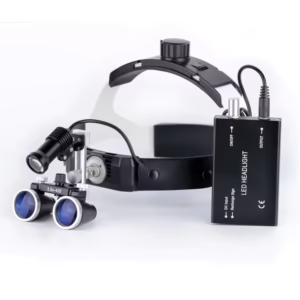
Many clinicians pair dental loupes with LED headlights.
While magnification enlarges the treatment area, focused illumination improves visibility and reduces shadows.
Benefits of dental headlights include:
• Improved visibility
• Better access to posterior regions
• Reduced shadows
• Enhanced diagnostic confidence
For many practitioners, the combination of magnification and illumination delivers the greatest clinical advantage.
Frequently Asked Questions
Are dental loupes worth the investment?
For many clinicians, improved visibility, ergonomics, and treatment accuracy make dental loupes a valuable long-term investment.
What magnification is best for general dentistry?
Most general practitioners prefer magnification levels between 2.5x and 3.5x.
Can dental loupes improve posture?
Yes. Properly fitted loupe systems can encourage a more ergonomic working position.
How long does it take to adapt to dental loupes?
Most clinicians adapt within several days to a few weeks of regular use.
Are dental headlights necessary?
While not mandatory, headlights can significantly improve visibility and reduce shadows during treatment.
CONCLUSION
Dental loupes have become an essential tool in modern dentistry.
By improving visibility, clinical precision, ergonomics, and treatment quality, magnification systems help clinicians meet the growing demands of contemporary dental care.
As technology continues to advance, dental magnification is expected to play an increasingly important role across all areas of clinical practice.